
The impact of cultural perceptions on gambling behaviors across different societies
The impact of cultural perceptions on gambling behaviors across different societies
Understanding Cultural Influences on Gambling
Cultural perceptions play a significant role in shaping gambling behaviors across various societies. In many cultures, gambling is viewed through a lens that either promotes it as an acceptable form of entertainment or stigmatizes it as a vice. This dichotomy is largely influenced by historical, religious, and social factors that contribute to how gambling is perceived. For instance, in some Asian cultures, gambling is deeply embedded in social practices and festivities, often associated with luck and prosperity, while those who seek the best australian online casinos may find a more modern perspective on gambling in other regions where it is sometimes frowned upon due to religious prohibitions.
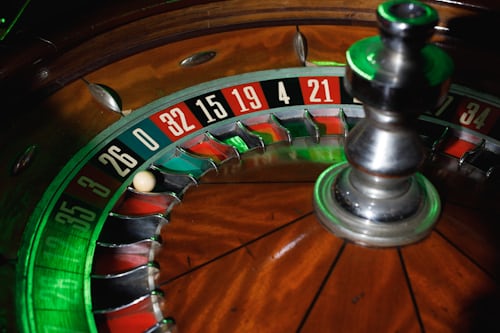
The varying perspectives on gambling can lead to distinct behaviors in different societies. In cultures where gambling is celebrated, individuals may engage in activities like poker, lottery games, or traditional betting more openly. Conversely, in societies that view gambling negatively, individuals may avoid such activities or partake in them clandestinely, reflecting the internal conflict between desire and social acceptance.
Religious and Ethical Considerations
Religion heavily influences cultural perceptions of gambling, with many faiths dictating strict moral codes that impact adherents’ behaviors. For instance, Christianity and Islam often perceive gambling as a form of greed or a waste of resources, leading followers to abstain from it altogether. This religious context can create a significant barrier to gambling participation, affecting not only individual choices but also community attitudes toward gambling establishments.
On the other hand, cultures with less rigid religious frameworks may embrace gambling more readily, associating it with leisure and social bonding. This acceptance is evident in regions where gambling is an integral part of cultural celebrations, such as during the Lunar New Year or other festive occasions, thereby normalizing the activity within societal norms.
Economic Factors and Gambling Participation
The economic landscape of a society also influences gambling behaviors. In wealthier nations, where disposable income is higher, individuals may engage in gambling more frequently as a form of entertainment. Additionally, the presence of regulated gambling establishments like casinos and online platforms can enhance participation rates, as they provide safe and structured environments for gamblers.
Conversely, in less affluent societies, gambling may be viewed as a risky venture, with individuals more likely to see it as a means of escaping financial struggles rather than a source of entertainment. This perception can lead to a higher prevalence of illegal gambling activities, as individuals seek out alternatives that may not be governed by regulations.
The Role of Media in Shaping Gambling Perceptions
Media representation significantly impacts cultural attitudes toward gambling. Television shows, movies, and advertisements often glamorize gambling, portraying it as an exhilarating pursuit filled with excitement and wealth. This portrayal can create an aspirational image of gambling, encouraging individuals to participate as a way to emulate the lifestyles depicted in media.
However, negative portrayals of gambling, such as those highlighting addiction and loss, can instill fear and caution within societies, leading to more restrained behaviors. As media continues to evolve, the narratives surrounding gambling will likely shift, influencing how different cultures respond to gambling in both positive and negative ways.

Exploring Literature and Gambling Culture
Websites dedicated to literature, such as Margaret River Press, often explore themes of human behavior and societal norms, including gambling. Such platforms provide a space for authors to discuss the complexities of gambling through narratives that reflect cultural attitudes. Literature can serve as a medium to understand how different societies grapple with the ethics and emotional consequences of gambling.
By engaging with stories that highlight diverse gambling experiences, readers can gain insight into the multifaceted nature of gambling across cultures. This exploration can foster a greater appreciation for the cultural implications of gambling, encouraging dialogue and understanding about its place in various societies.